
How Giving Tuesday Lifts Year-End Donor Support
Use Giving Tuesday to kick off year-end fundraising: set SMART goals, track metrics, run multi-channel storytelling, and convert donors into long-term supporters.

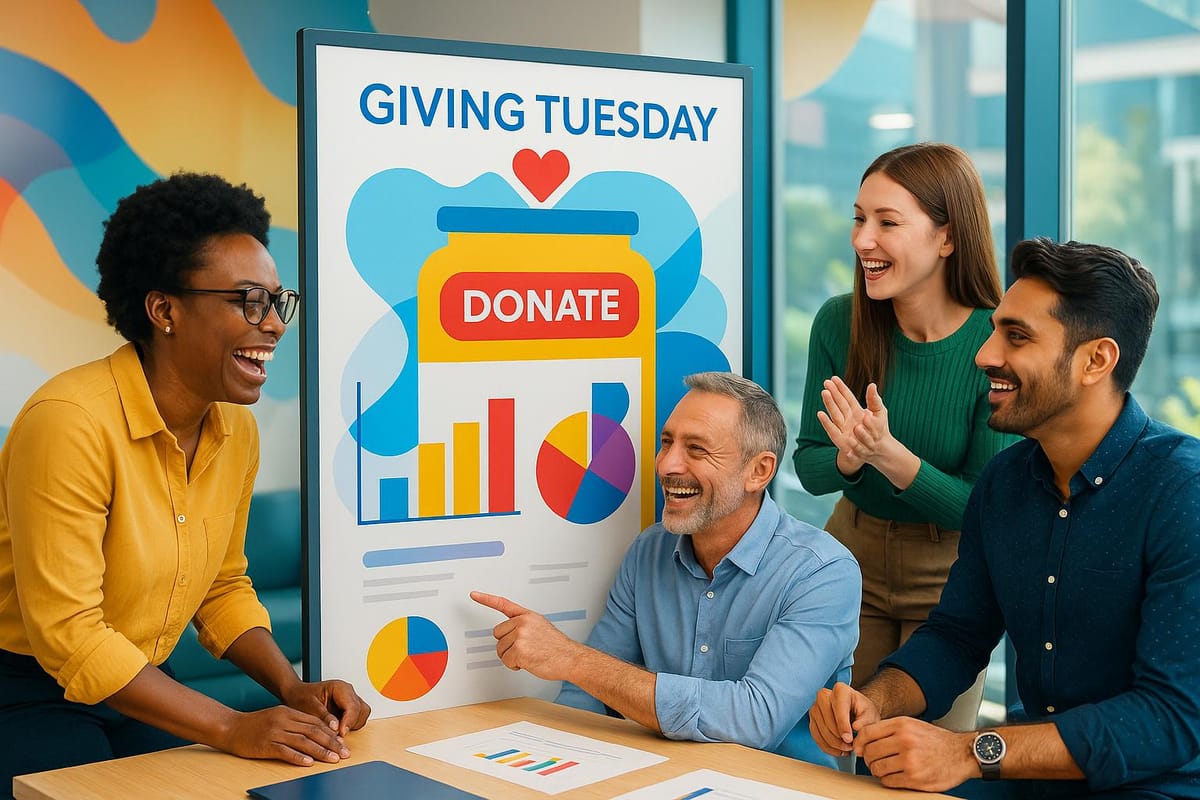
Giving Tuesday is more than a single day of giving - it’s the kickoff to a strong year-end fundraising push. This global event, held after Thanksgiving, taps into donors’ generosity during the busiest giving season of the year. For nonprofits, it’s a chance to engage donors early, test strategies, and build momentum for December.
Here’s why it works:
- Early Engagement: Donors who give on Giving Tuesday are primed for follow-ups through December.
- Media Buzz: The #GivingTuesday movement amplifies visibility, saving nonprofits time on outreach.
- Data Insights: Results from Giving Tuesday help refine messaging and targeting for the rest of the month.
- Retention Opportunities: Follow-ups, personalized updates, and impact stories keep donors involved.
To succeed, nonprofits should set clear goals, track key metrics, and use multi-channel approaches like email, social media, and text. Sharing stories, demonstrating impact, and maintaining communication are key to converting one-time gifts into long-term support.
Effective Giving Tuesday Strategy in 2025 | Tips for Nonprofit Fundraising & Leadership
Setting SMART Goals for Giving Tuesday and Year-End Campaigns
Having clear SMART goals is essential to ensure that Giving Tuesday acts as a springboard for your December fundraising efforts. Instead of treating Giving Tuesday as a standalone event, think of it as the opening act of your year-end campaign. Your goals should reflect this connection, tying the success of Giving Tuesday to the broader objectives you want to achieve by the end of December. These SMART goals will also define the key metrics you'll need to monitor and refine your strategy throughout the month.
Setting Clear Campaign Targets
The first step is to define what success looks like in measurable terms. Goals like "raise more money" are too vague to guide your team or track progress effectively. Instead, set specific, actionable targets that cover both Giving Tuesday and the rest of December.
For Giving Tuesday, focus on measurable outcomes such as total dollars raised, number of donors (new and returning), average gift size, and social media engagement. For example, if last year’s Giving Tuesday raised $15,000 from 120 donors, aim to increase that to $20,000 from 150 donors this year.
While ambitious goals can energize your team, unrealistic ones can have the opposite effect. Use historical data to ground your expectations. Consider past Giving Tuesday results, your organization’s growth, the size of your email list, social media reach, and any new outreach strategies you’re implementing. For instance, if your highest single-day fundraising total is $10,000, setting a $50,000 goal might not be realistic.
For your year-end campaign, think about how Giving Tuesday donors fit into your overall strategy. Perhaps you want 30% of Giving Tuesday donors to make a second gift by December 31st, or you aim to convert 50 first-time donors from Giving Tuesday into monthly supporters. These goals create a seamless connection between the initial Giving Tuesday push and sustained engagement throughout the month.
Time-bound elements naturally fit into this framework - Giving Tuesday is a fixed date, and year-end giving wraps up at 11:59 PM on December 31st. You can also set intermediate milestones, like reaching 50% of your Giving Tuesday goal by noon or sending thank-you messages within 24 hours. These smaller checkpoints keep your team focused and on track.
Finally, tailor your goals to your organization’s capacity. A small nonprofit with limited staff shouldn’t aim for the same targets as a larger organization with a full fundraising team. Your goals should challenge your team but remain achievable without straining resources or compromising donor relationships.
Identifying Key Metrics to Track Campaign Performance
Once your goals are in place, identify the metrics that will show your progress. These metrics should align closely with your December objectives and provide actionable insights.
Donation metrics are the foundation of your tracking efforts:
- Total dollars raised, number of gifts, and average gift size
- Breakdown of new versus returning donors
- Donor retention rates from Giving Tuesday through December (e.g., if 200 people donate on Giving Tuesday and 60 give again by December 31st, your retention rate is 30%)
Engagement metrics help you understand how your audience is interacting with your campaign:
- Email open rates and click-through rates for Giving Tuesday messages and follow-ups
- Social media engagement, including shares, comments, and reach of posts using #GivingTuesday
- Website traffic on Giving Tuesday and the days following
Channel performance shows where your efforts are paying off:
- Compare donations from email, social media, and text campaigns
- Track which stories, images, or videos generate the most engagement and donations
Cost metrics are crucial for assessing the efficiency of your campaign:
- Calculate cost per dollar raised and return on investment for each channel
- For example, if $500 spent on Facebook ads brings in $2,000, that’s a 4:1 return
- Use these insights to allocate your budget to the most effective tactics
Donor journey metrics reveal how well you’re connecting Giving Tuesday to year-end success:
- Track the time between a donor’s Giving Tuesday gift and their next contribution
- Identify which follow-up messages generate the best response rates
- Monitor how many Giving Tuesday donors engage further, such as attending events, subscribing to your newsletter, or responding to impact stories shared in December
To stay organized, set up a simple dashboard or spreadsheet to track these metrics in real time. During peak giving periods, review the numbers daily to adapt your strategy as needed. For example, if email appeals aren’t performing but text messages are driving donations, shift your focus accordingly. If new donors aren’t responding to follow-ups, experiment with messaging that acknowledges their first-time contribution.
Metrics should guide your decisions, not just fill a spreadsheet. Every number you track should answer a question: Are we on track to meet our goals? Which donors need more attention? What’s working well enough to repeat? Where are we falling short? These insights will not only measure your immediate success but also shape your strategy for retaining donors through the end of the year.
Building Multi-Channel Campaigns to Keep Donors Engaged
To keep donors connected and inspired, it’s essential to meet them where they are - whether that’s through email, social media, or text. The idea is to create a seamless experience that takes donors from their first Giving Tuesday interaction all the way to their final year-end contribution. Instead of repeating the same message across platforms, aim for a coordinated approach that keeps things fresh and engaging.
Using Email, Social Media, and Text Messages Effectively
With your SMART goals in place, you can craft a multi-channel strategy that keeps donors engaged throughout December. Each channel has its strengths, so understanding how to use them effectively is key.
Email is your go-to for detailed communication. Use it to share compelling stories, explain how donations make a difference, and provide clear calls to action with easy-to-spot donation buttons. Start with a teaser email a week before Giving Tuesday, followed by a morning appeal, a midday reminder, and a final evening push. After Giving Tuesday, shift gears to thank donors, share early results, and focus on year-end appeals emphasizing matching gifts, tax deadlines, and impact updates.
Personalization is a game-changer. Segment your email list to tailor messages for different groups - like first-time donors or long-time supporters. A subject line like "Sarah, your $50 gift is already making a difference" can feel far more engaging than a generic thank-you.
Social media is perfect for building excitement and reaching a broader audience. Platforms like Facebook and Instagram let you post multiple times a day without overwhelming followers. In the weeks leading up to Giving Tuesday, share countdowns, behind-the-scenes content, and previews of impactful stories. On the day itself, mix things up with motivational updates, progress reports, and donor spotlights.
Video content is especially effective here. A short clip featuring a beneficiary explaining how your organization has helped them can draw more attention than text posts. Keep videos concise, add captions for silent viewers, and include a clear call to action directing people to your donation page. Features like Stories and live videos on Instagram and Facebook can add a sense of urgency and authenticity.
Text messages stand out for time-sensitive appeals. Since most people check texts quickly, SMS is ideal for reminders and updates. Use it sparingly - perhaps a morning reminder on Giving Tuesday with a link to donate, a progress update when nearing a milestone, and a final appeal near year-end. Keep messages short (under 160 characters) and include a clear donation link. For example: "It’s Giving Tuesday! Your $25 gift doubles today. Donate now: [link] Reply STOP to opt out." Be sure to only text supporters who’ve explicitly given permission.
Timing matters. For example, if you send an email at 8:00 AM, follow it up with a social media post and a text later in the day. This creates multiple touchpoints without overwhelming your audience. Use unique links or campaign codes to track which channels drive the most donations, and adjust your resources based on performance.
Using the #GivingTuesday Movement to Expand Your Reach
The #GivingTuesday hashtag connects your organization to a global campaign that raises billions annually. Leveraging it smartly can help you reach beyond your usual supporters.
Incorporate #GivingTuesday into your social media posts on the day, and consider adding location-specific hashtags like #GivingTuesdayNYC or #GivingTuesdayTexas to connect with local donors. Pair these with mission-focused hashtags that resonate with your audience. Research trending hashtags that align with your cause and sprinkle them into your posts without overloading the message.
The Giving Tuesday website offers free branding resources like logos, color palettes, and graphics. Use these across your emails, social media posts, and website banners to create a consistent look and feel. The familiar Giving Tuesday heart logo can instantly signal the urgency and importance of your campaign.
Collaborate with local businesses, nonprofits, or community groups to amplify your message. For instance, a coffee shop could donate a percentage of its Giving Tuesday sales to your organization while promoting your cause, or a partner nonprofit might share your posts with its followers. These partnerships can introduce you to new audiences eager to make a difference.
Encourage your board members, staff, volunteers, and loyal donors to share your Giving Tuesday posts on their personal accounts. Personal endorsements add credibility and can significantly expand your reach. Make it easy for them by providing pre-written messages they can tweak and share.
Stay active on social media throughout the day. Monitor the #GivingTuesday hashtag, engage with potential donors, answer questions, and thank supporters who mention your cause. This real-time interaction shows your dedication and builds stronger connections with your audience.
Sharing Stories Across All Communication Channels
Stories are at the heart of any successful campaign. While statistics highlight the scale of your work, personal narratives create an emotional connection that inspires action. A powerful story not only motivates donors to give but also keeps them engaged long after Giving Tuesday.
Before Giving Tuesday, identify stories that resonate. These could feature individuals who’ve benefited from your services, dedicated volunteers, or community members whose lives have been changed by your work. Tailor these stories for each platform: a full-length story for email, a shorter version for Facebook, and a quick video or quote for Instagram or Twitter.
Structure each story with a clear beginning, middle, and end. Start with the challenge, describe how your organization stepped in, and end with the positive outcome. Specific details make stories more impactful. Instead of saying, "We helped a family in need", you could share, "We provided three months of groceries to Maria and her two children after she lost her job, giving her time to complete job training and secure stable employment." These details make the story relatable and memorable.
Throughout December, feature stories about Giving Tuesday donors. Share why they gave, what inspired them, and the impact of their contributions. For example, highlight a donor by saying, "Meet James, who donated $100 on Giving Tuesday because his daughter benefited from our after-school program five years ago." These follow-up stories show gratitude while reinforcing how donations create meaningful outcomes.
Mix up your formats to keep things engaging. Use photo essays, short video testimonials, first-person accounts, or infographics that combine visuals with key stats. Always tie the story back to your donors with a call to action or a closing message like, "Donations from supporters like you made Maria’s story possible."
Demonstrating Impact and Transparency to Build Donor Trust
Donors want to see how their contributions make a difference. Showing the direct outcomes of their generosity builds trust and helps turn one-time supporters into long-term allies. Transparency isn’t just about being accountable - it’s about making donors feel like essential partners in your mission. By combining tailored outreach with clear performance metrics, you strengthen that trust and keep the momentum of your campaigns alive.
Sharing Stories That Highlight Real Results
After Giving Tuesday, follow up with real-life stories that tie donations to tangible outcomes. Share specific examples of how contributions have made a difference. For instance, if your campaign supports education, you could detail how donations funded school supplies or provided tutoring that helped students thrive.
Personal stories are powerful. Introduce donors to individuals whose lives have been positively impacted by your programs. Testimonials from beneficiaries, where they describe the changes they’ve experienced firsthand, add an emotional connection that resonates deeply with supporters.
Using Data and Visuals to Illustrate Impact
While stories create an emotional connection, pairing them with clear data strengthens credibility. Share metrics that show how donations translate into measurable outcomes. Use visuals like photos, videos, and simple charts to make this information easy to understand. For example, a short video or a series of images can highlight recent achievements or improvements.
Infographics are another effective tool. Show how funds are distributed across programs, administrative costs, and fundraising efforts in a way that’s easy to follow. Visual comparisons - such as charts that track progress over time - help donors see the scale of the impact and understand how their contributions directly contribute to change.
Keeping Donors Engaged with Regular Updates
Transparency doesn’t end after the donation. Keeping donors informed through regular updates reinforces their trust and connection to your organization. Using a multi-channel approach, share timely updates like thank-you emails, impact reports, and monthly highlights that showcase recent milestones or success stories.
Send a thank-you email shortly after Giving Tuesday with a snapshot of the initial outcomes and an outline of next steps. Once you’ve gathered more detailed results, follow up with an impact report that breaks down the overall achievements and the specific programs supported by donations.
Be honest about both successes and challenges, and share your plans for addressing any gaps. Consider creating an online space where donors can track progress in real time. Hosting events - whether in person, like facility tours or volunteer days, or virtual, like open houses - can also give donors a firsthand look at your work. Personalized communication and quick responses to donor questions further strengthen trust and deepen the relationship.
Maintaining Year-End Momentum with Donor Retention Methods
Once Giving Tuesday has passed, the real work begins: turning one-time donors into long-term supporters. With nearly 30% of annual nonprofit giving happening in December, the challenge is keeping the connection alive after the holiday rush. By using timely follow-ups, personalized outreach, and consistent engagement, you can turn Giving Tuesday donors into loyal advocates.
Thanking and Acknowledging Donors
A quick and thoughtful acknowledgment is one of the most effective ways to keep donors engaged. A personalized message not only shows gratitude but also strengthens the relationship. Mention their specific contributions and share campaign-wide results to help them see the bigger picture - they’re part of something meaningful.
Later, follow up with updates on how their donations made a difference. Sharing the outcomes of your campaign builds trust, highlights transparency, and keeps your organization fresh in their minds for future support throughout December.
Creating Year-Round Engagement Plans
Donor retention isn’t just about how often you communicate; it’s about the quality of those interactions. Research shows that "donor fatigue" stems more from uninspired messaging than from frequent outreach. Instead of bombarding your supporters with constant donation requests, focus on fostering genuine connections.
Develop a communication plan that includes regular, meaningful touchpoints beyond asking for money. Share updates on your programs, behind-the-scenes content, volunteer opportunities, and success stories that showcase the impact of your work. Offer a variety of ways for donors to engage, like volunteering, attending events, or advocating for your cause. You can even ask donors directly about their interests and how they’d like to stay involved. This tailored approach ensures your messages resonate with different donor groups.
Younger donors, particularly Gen Z and Millennials, value ongoing engagement. Nearly 79% of Gen Z and 82% of Millennials have donated online, and they are three times more likely to advocate for an organization compared to older generations. Between 2021 and 2024, Millennials increased their annual giving by 22%, while Gen Z giving rose by 16%. To maintain momentum with these groups, focus on storytelling that highlights impact and provide regular opportunities for advocacy and participation.
Grouping Donors for Personalized Communication
Segmenting donors based on their preferences and behaviors allows for more effective, personalized communication. Start by analyzing data from your Giving Tuesday campaign - look at donation amounts, frequency, and preferred channels. From there, group donors into categories such as first-time contributors, recurring supporters, major gift prospects, and social media advocates, then customize your messaging for each group.
For example, in 2025, nonprofits can send direct mail appeals to older donors, use social media to connect with younger volunteers, and target digital ads toward first-time donors. A multi-channel strategy ensures you’re reaching donors where they’re most active.
Using your CRM system can simplify donor segmentation and help deliver timely, targeted messages. Data shows that nonprofits using customizable donation forms and abandoned gift reminders saw a 55% boost in conversions and turned 5% more form visitors into donors. Additionally, 63% of organizations now rely on social and digital campaigns driven by cause-focused storytelling to engage younger donors. By tailoring both your content and the platforms you use, you can ensure every donor feels valued and connected to your mission.
Conclusion: Using Giving Tuesday for Long-Term Fundraising Success
Giving Tuesday isn’t just about a single day of donations - it’s the kickoff for your year-end fundraising efforts. By setting clear goals, sharing meaningful stories, and building strong donor relationships, you can transform one-time contributions into ongoing support. This approach lays the groundwork for strategies that keep donors engaged well beyond December.
The organizations that benefit most from Giving Tuesday are the ones that plan ahead and think long-term. Creating campaigns across multiple channels ensures you’re connecting with donors where they already spend their time - whether that’s scrolling through Instagram, checking their inbox, or reading text messages. When you pair authentic storytelling with real data and visuals, you show donors exactly how their contributions make a difference.
To truly capitalize on Giving Tuesday, quick follow-ups and ongoing communication are key. Acknowledging donations promptly and staying in touch with updates and advocacy opportunities can turn one-time donors into lifelong supporters. Younger donors, in particular, value staying informed about the impact of their contributions, not just being asked for more money.
Managing this level of donor engagement can feel overwhelming, but the right tools make it manageable. Platforms like HelpYouSponsor simplify donor tracking and communication by automating tasks like receipts, segmented messaging, and donation tracking. With these tools, you can focus on building meaningful relationships instead of getting bogged down in administrative work.
Nonprofits that thrive in the future will treat Giving Tuesday as the starting line for deeper donor engagement. By combining thoughtful planning with genuine care for your supporters, you’ll create a community of donors who not only give generously in December but remain connected and active throughout the year.
FAQs
How can nonprofits keep donors engaged after Giving Tuesday to drive year-end support?
Nonprofits can keep donors engaged after Giving Tuesday by prioritizing timely expressions of gratitude and personalized follow-ups. Start with heartfelt thank-you messages that emphasize the immediate impact of their contributions. Pair these with updates that clearly demonstrate how their support is driving change.
Make your outreach more meaningful by tailoring messages to each donor. For example, reference past donations, suggest specific giving amounts, or include calls to action that align with their interests. For new donors, consider launching a welcome email series to introduce them to your mission and highlight ways they can stay involved. By consistently showing appreciation and keeping donors informed, you can strengthen relationships and encourage continued support throughout the year-end giving season.
What are some SMART goals nonprofits can set for Giving Tuesday and year-end campaigns?
When preparing for Giving Tuesday and year-end campaigns, nonprofits can benefit from setting SMART goals - objectives that are specific, measurable, achievable, relevant, and time-bound. This approach helps ensure their fundraising efforts are both focused and effective.
For instance, a nonprofit might set a goal to raise $10,000 on Giving Tuesday by engaging 500 donors through a well-planned social media campaign. Another example could be aiming to grow their email newsletter sign-ups by 20% before December 31, creating a stronger donor base for future efforts.
By defining clear and attainable goals, nonprofits can monitor their progress, celebrate key achievements, and fine-tune their strategies to make the most of this crucial fundraising season.
How can nonprofits use Giving Tuesday data to enhance their fundraising strategy?
Nonprofits can use Giving Tuesday data to fine-tune their fundraising strategies by spotting patterns in donor behavior. Metrics like donation amounts, donor demographics, and engagement rates offer valuable insights that help organizations set practical goals and focus on strategies that deliver results.
By analyzing campaign performance, nonprofits can identify what worked well - whether it’s specific appeals that connected with donors or channels that drove the most engagement. These insights pave the way for more focused donor outreach, smarter campaigns, and stronger connections with supporters. Leveraging this data can make year-end fundraising efforts not only more effective but also more sustainable.